1. Assess the affected area
Cleaners walk the space and map where blood and fluids reached, including places that are easy to miss.
Denver, CO · Denver County
After a serious injury in Denver, a wipe with a towel is not enough. Call (877) 812-4220 for accident and injury scene cleanup that removes bloodborne pathogen risks.
If anyone is in danger, call 911 first. For a suicide crisis, call or text 988.
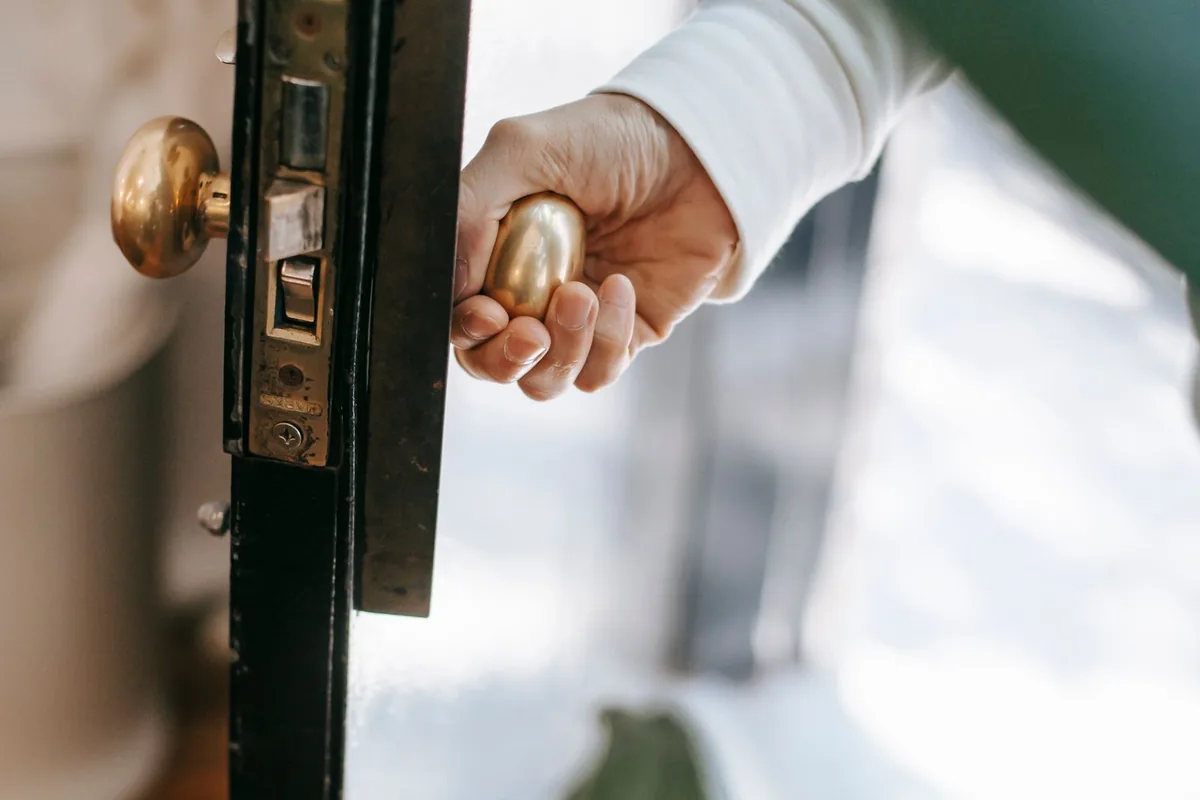
Accident and injury scene cleanup is the safe removal of blood and other body fluids left behind after someone is hurt. It applies at homes, workplaces, stores and vehicles, and it protects everyone who enters the area later.
Need accident scene cleanup in Denver, Denver County? With help from Denver Biohazard Cleanup Help, fluids are removed, surfaces are disinfected and waste is hauled as regulated medical waste, so you can reopen the space.
About 51% of households in Denver are renters, so many injury scenes involve a landlord, a lease and a tenant's insurance. About 39% of older adults in Denver live alone, and a fall can leave blood on a floor that no one cleans up at once.
What accident & injury scene cleanup covers:
Cleaners walk the space and map where blood and fluids reached, including places that are easy to miss.
The team explains what must be removed, what can be saved and how the work fits around staff or tenants.
Contaminated material is sealed, labeled and hauled under medical waste rules, not put out with household trash.
A final inspection confirms the work. Owners receive records they can share with insurers or employers.
Expect accident & injury scene cleanup in Denver, CO to cost roughly $500 to $8,000, with the final price set after an on-site assessment.
Extra services such as deep odor treatment, residue removal and air filtration add steps to the job.
| Type of job | Typical range |
|---|---|
| Trauma and accident | $1,500 - $5,000 |
| Trauma scene, published span | $500 - $8,000+ |
Figures are planning ranges from PushLeads, Biohazard cleanup company pricing guide, not a price for any specific Denver property. Price drivers include amount of blood and fluids, materials affected, number of rooms, waste disposal. Call (877) 812-4220 any hour.
Yes. Dried blood can still carry bloodborne pathogens, and wiping or scraping it can release particles. Crews wear protective equipment and use hospital-grade disinfectants.
It depends on the place, the lease and the situation. A property manager, attorney or insurer can say who is responsible in your case. A cleanup team can explain the work either way.
The OSHA Bloodborne Pathogens Standard, 29 CFR 1910.1030, protects workers who handle blood and body fluids. Crews wear protective equipment and follow safe handling and disposal rules.
Yes, once the source is removed. Odor usually comes from materials that absorbed fluids, so crews take those out, then clean and deodorize the space.
At a home, a homeowners or renters policy may help. At a business, a commercial policy or the owner may be responsible. At a rental, the lease and local law decide.
Police, fire and towing crews clear the roadway. They do not clean blood from vehicle interiors or private property. You need a biohazard cleanup team for those.
Cleaners remove the hazard so the space can reopen safely.
Call (877) 812-4220